
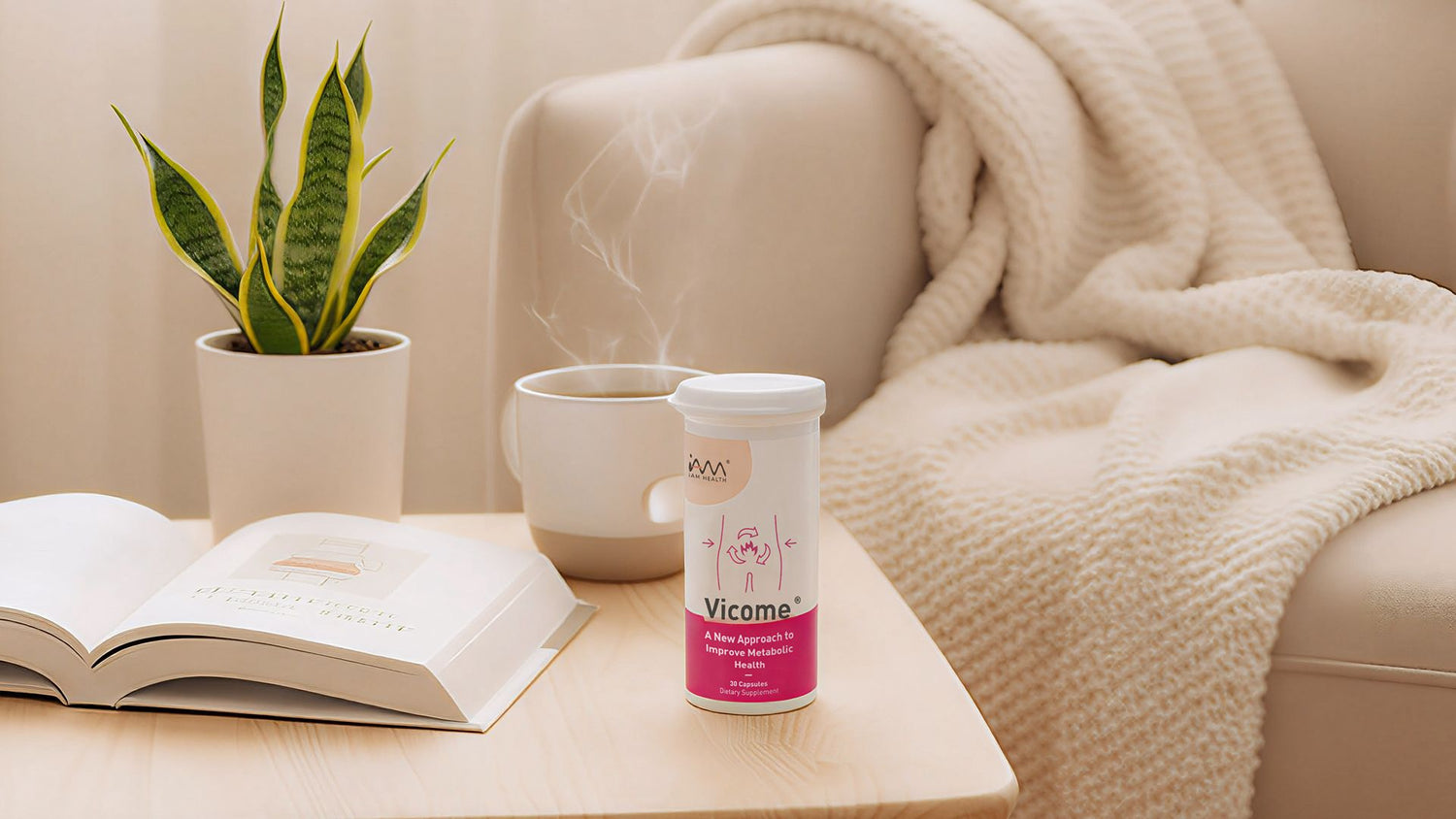
Probiotics your gut can trust.
Get ready to feel your best – every day.
At iAM Health, we make gut health simple, effective and science-backed. Our clinically-tested probiotics and targeted nutrition supplements are designed to support digestion, strengthen immunity and help your body stay balanced from within.
It’s time for better health. It’s time to feel better from the inside out.







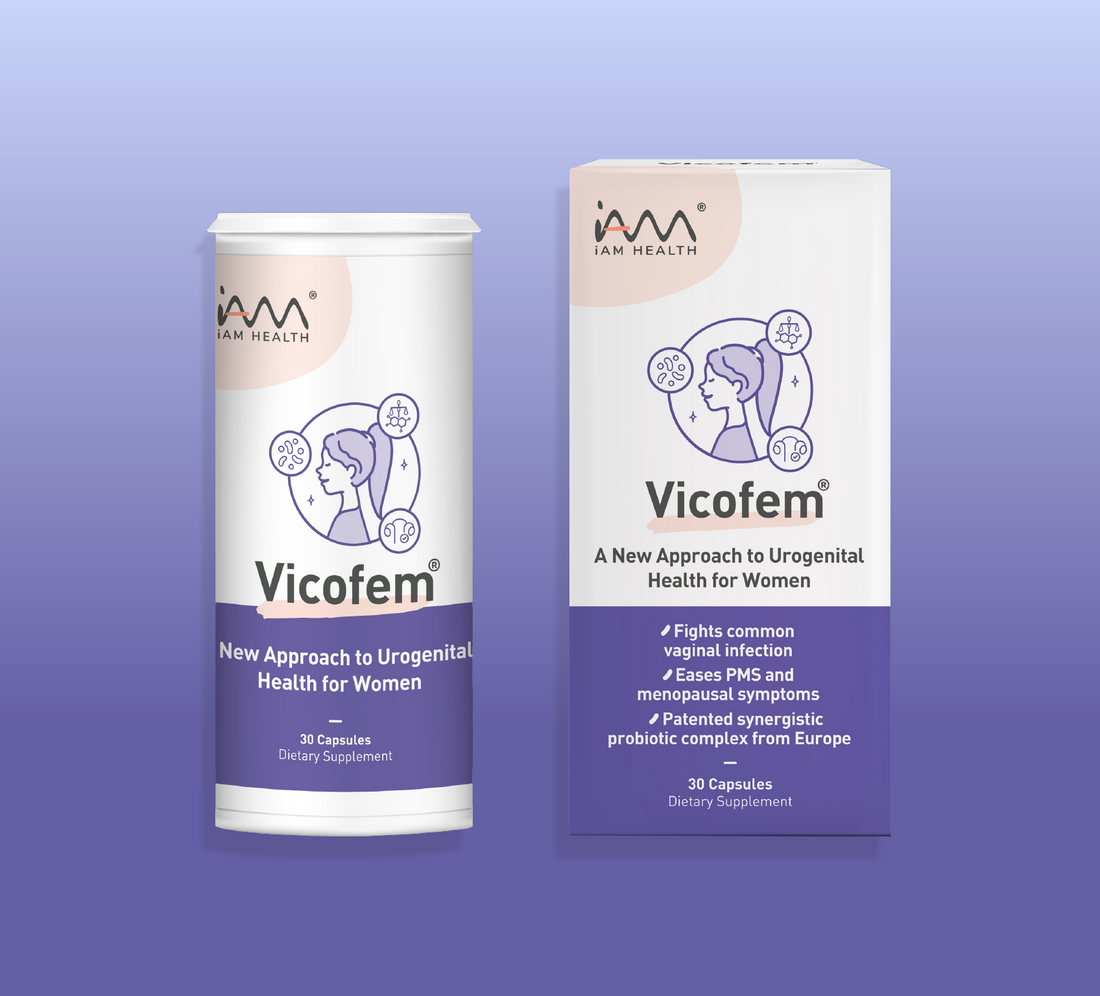
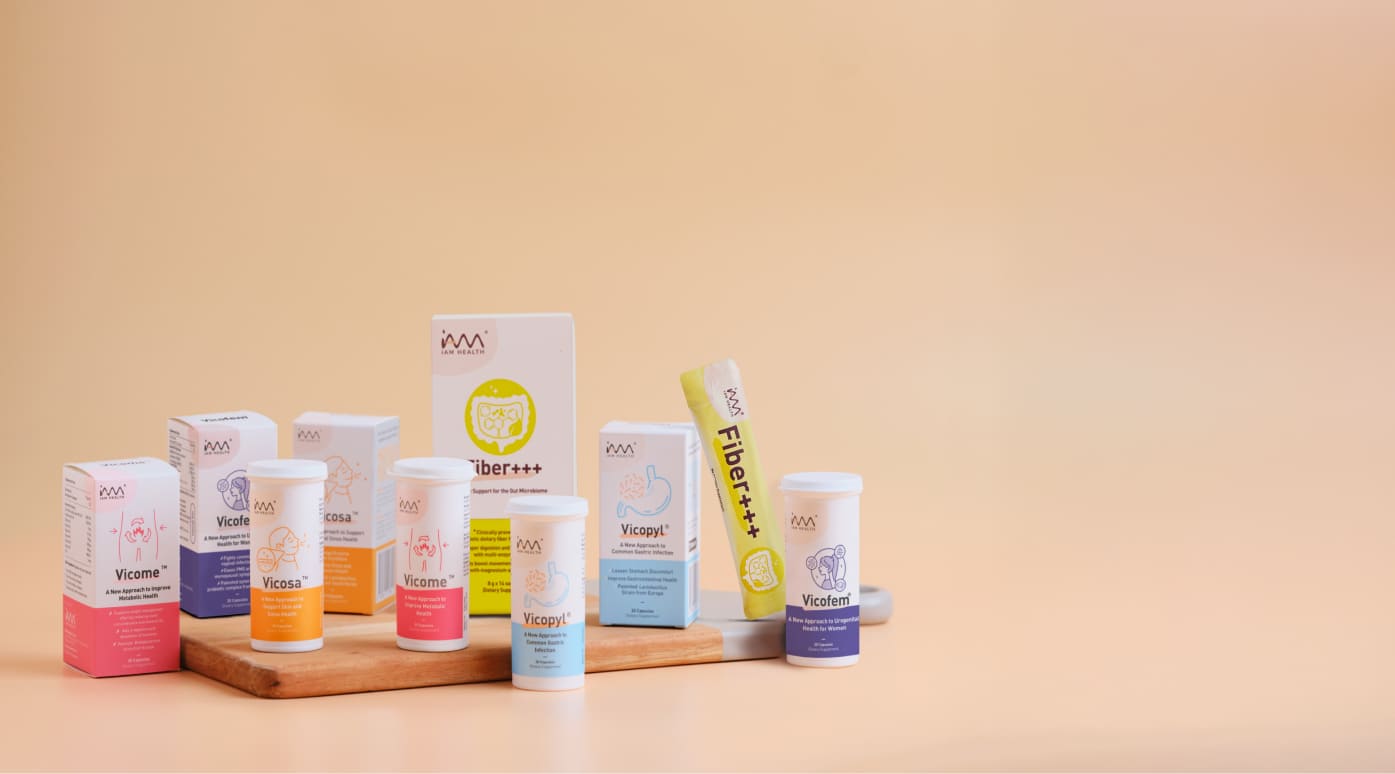
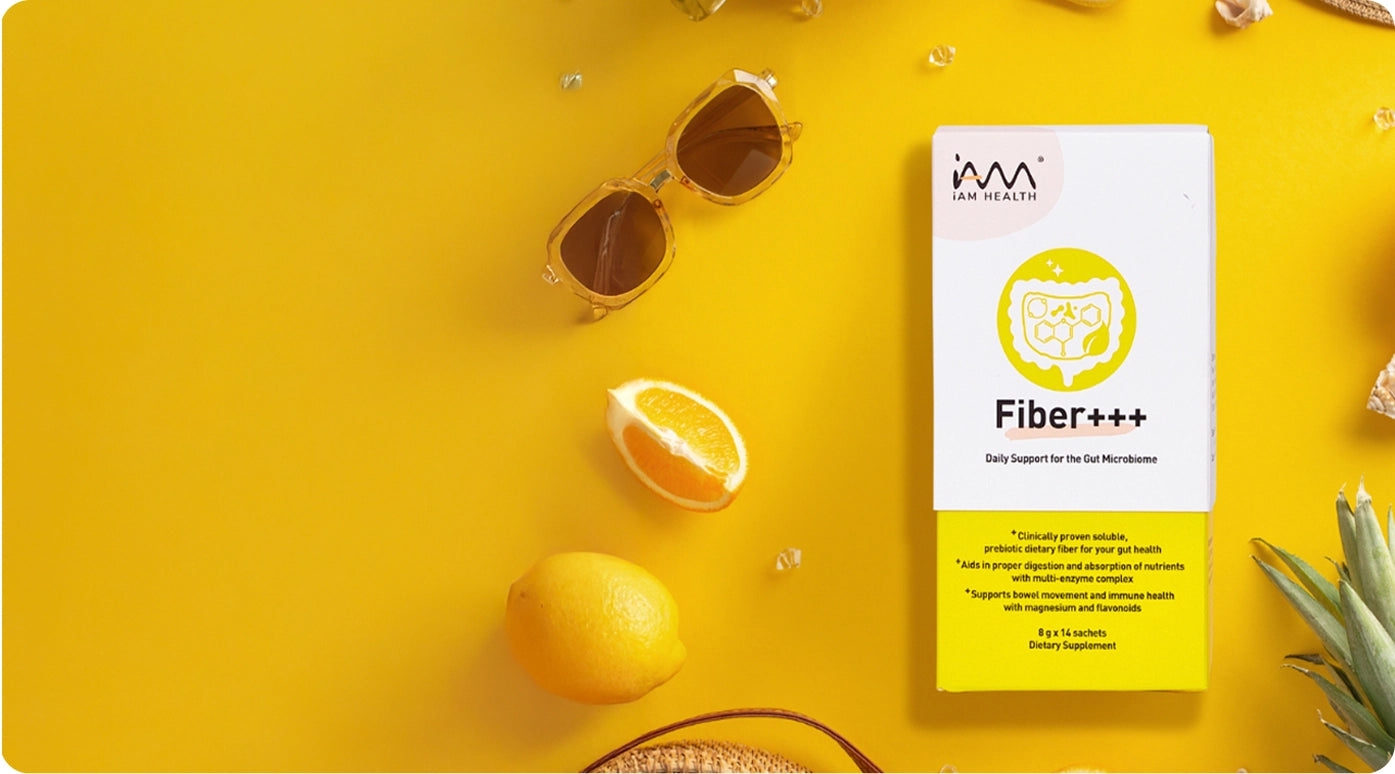
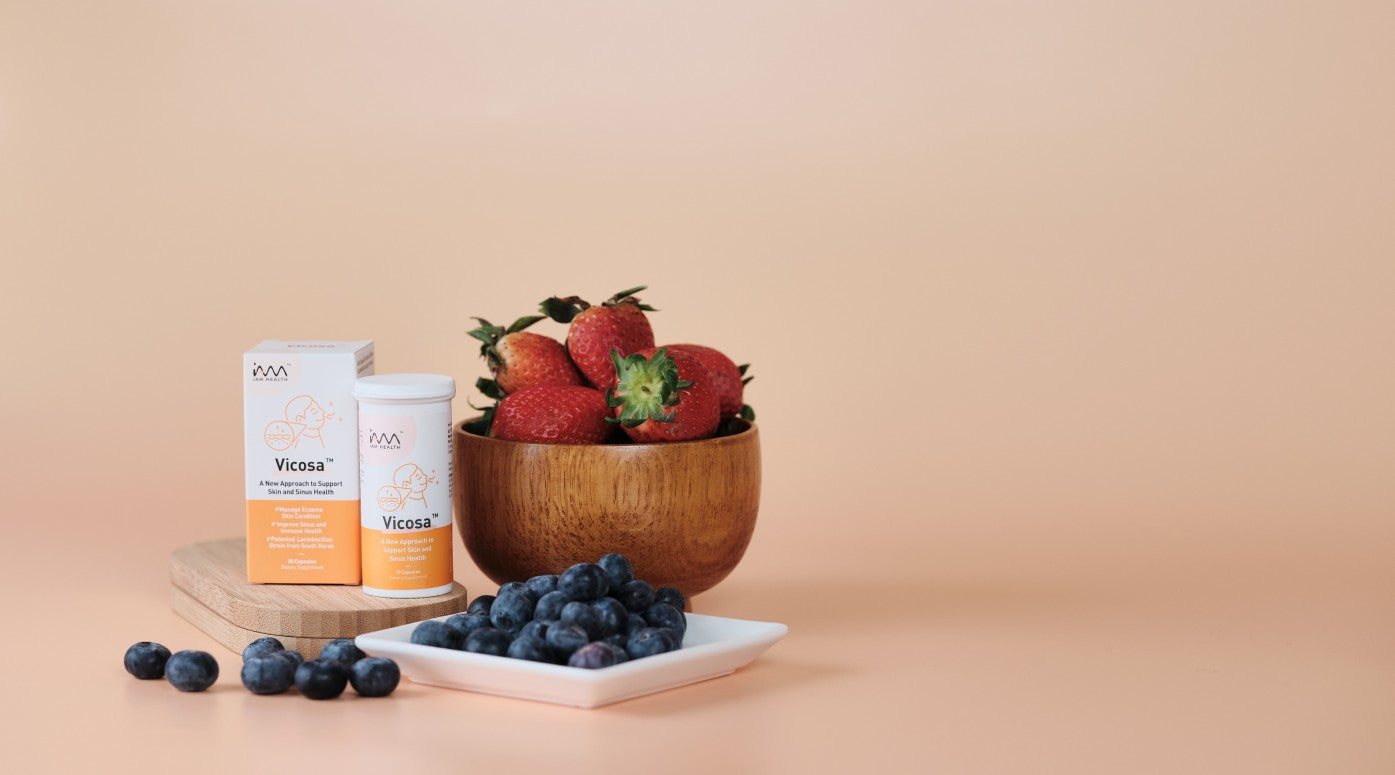
Our Range of Targeted Support: Just What Your Body Needs
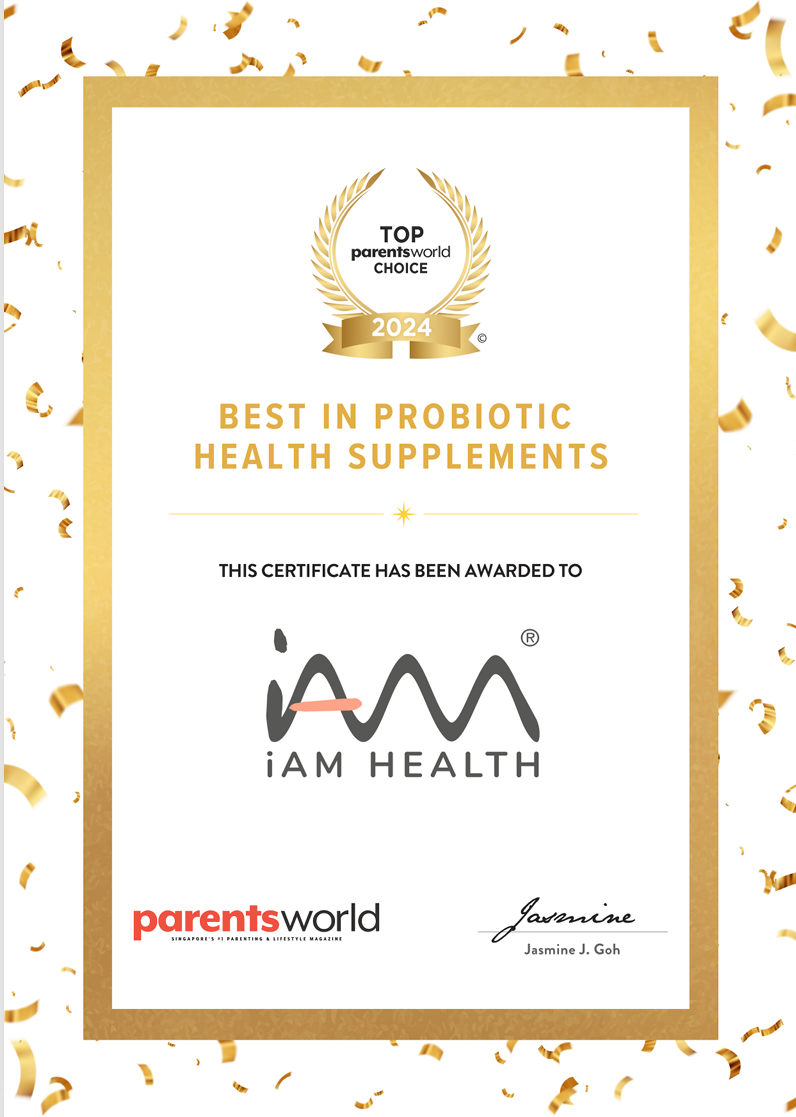
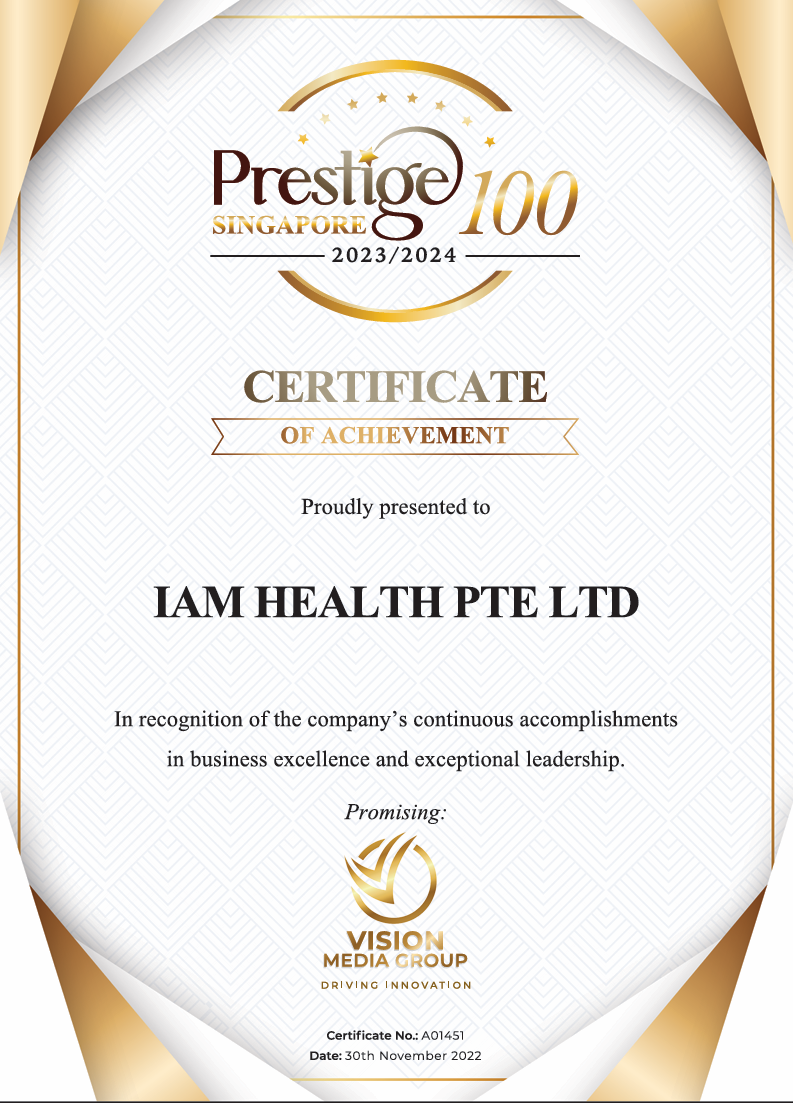
Trusted by a growing community of wellness-focused customers, with science-backed formulations designed for everyday use.
Why iAM Health is a Trusted Choice for Probiotics
Clinically-Tested Probiotics
Made with research-backed strains and supported by scientific evidence, so you know they actually work.
Targeted Nutrition, Not Guesswork
Our products are thoughtfully formulated to support gut balance, digestion, immunity and everyday wellness, with purpose-built nutrition rather than generic blends.
Quality, Safety and Transparency You Can Trust
Every formulation is developed with high standards of quality, consistency and honesty, so you always know exactly what you are taking and why it works.
Backed by Science, Designed for Real Life
At iAM Health, we don't just promise results; we prove them.
Our range of natural health supplements have been formulated based on extensive research and comprehensive clinical testing to ensure safety and effectiveness. Whether you’re looking to boost your immunity, balance your gut, or improve your overall health, you can trust that our health supplements are created to deliver real results in real life.
Ready to start feeling better in your body?
Insights
Why do I get acidity every day Causes, Triggers & Fixes
Getting acidity every day may be more than a temporary gastric issue. Daily acid reflux can be linked to GERD, H. pylori gastritis, late meals, spicy foods, obesity or hiatal hernia. This guide explains the common causes, triggers and practical fixes, including when to consult a gastroenterologist.
Learn moreAre You Taking Probiotic Supplements at the Right Time?
Taking probiotics regularly is important, but timing can affect how well they work. This blog explains how probiotic survival depends on when you take them, the formulation used, and the specific strains inside—helping you build a smarter supplement routine for better gut health.
Learn more5 Root Causes of Weight Gain You're Missing: How to Fix Digestion, Blood Sugar and Energy Levels
Weight gain is not always caused by overeating alone. Poor sleep, insulin resistance, chronic stress, gut imbalance and ultra-processed diets can disrupt metabolism, appetite and energy regulation; also hindering your progress during weight loss
Learn moreThe Real-Life Guide to Feeling Better During Menopause
Menopause affects more than hormones; it reshapes gut health, metabolism and the vaginal microbiome. This guide explains what probiotics do during menopause, how digestive enzymes probiotics and vaginal probiotic capsules support symptoms like bloating and dryness and how to choose the best vaginal probiotic for women. It combines current research, practical strategies and clinically aligned product guidance to help women feel better in everyday life.
Learn moreConstant Sugar Cravings What Your Body May Be Trying to Tell You
Sugar cravings are commonly driven by unstable meals, poor sleep, stress, habit loops or metabolic factors. Most improve with better meal balance, sleep and consistent routines
Learn moreSkin Allergies That Won’t Settle? A Practical Guide to Gut Health, Triggers and Daily Relief
If your skin allergies keep improving for a while and then flaring up again, you are not alone. Many people cycle through creams, antihistamines, elimination diets and skincare changes, only to see itching, redness, rashes or irritation return. That pattern often suggests the issue is not only on the surface. Skin is where symptoms appear but the drivers may involve immune balance, inflammation, barrier function and the digestive system. This is where gut health becomes highly relevant. Researchers increasingly describe a gut-skin axis, a two-way relationship between the gut microbiome, immune signaling and skin function. Reviews in journals including Nutrients and Microorganisms note growing evidence linking gut microbial balance with inflammatory skin conditions such as eczema, acne, psoriasis and rosacea. Skin disorders are also extremely common. Atopic dermatitis affects up to 20% of children worldwide and remains one of the most common chronic inflammatory skin conditions. Acne affects up to 85% of adolescents and young adults at some stage, highlighting how widespread inflammation-related skin issues are. Why Skin Allergies Keep Coming Back Recurring flare-ups often happen when symptoms are treated, but the deeper triggers remain active. A cream may reduce redness temporarily, but if the immune system stays reactive or the skin barrier remains compromised, the cycle can restart quickly. Several factors commonly overlap: Environmental triggers: Dust, mould, pollution, detergents, fragrances, humidity, sweat and seasonal changes can repeatedly irritate sensitive skin. Barrier dysfunction: When the skin barrier weakens, irritants enter more easily and moisture escapes faster. Immune hypersensitivity: The body may overreact to low-level triggers that would not affect others. Chronic inflammation: Low-grade inflammation can keep symptoms active beneath the surface. Poor gut health: Microbiome imbalance may influence inflammatory and allergic responses. How Gut Health Affects Skin Allergies: The Gut-Skin Axis The gut is home to trillions of microorganisms that help digest food, produce beneficial compounds and communicate with the immune system. Because a large share of immune activity is linked to the gut, digestive imbalance can have effects far beyond the stomach. The gut-skin axis describes how changes in the microbiome may affect the skin through inflammatory, immune and metabolic pathways. Researchers have observed associations between altered gut microbial diversity and inflammatory skin conditions such as eczema, acne, psoriasis and rosacea. How the gut may influence the skin includes: Inflammatory signaling: Microbial imbalance may increase pro-inflammatory signals linked to redness and itching. Immune regulation: Healthy microbes help the immune system respond appropriately rather than excessively. Nutrient absorption: Zinc, omega-3s, B vitamins and other nutrients important for skin repair depend on healthy digestion. Barrier support: The gut lining and skin barrier both rely on balanced immune function. According to NIH-indexed reviews, reduced microbial diversity has repeatedly been associated with inflammatory disorders, while healthier microbial ecosystems are linked with better immune resilience. Signs Your Gut Might Be Part of the Problem Not every rash or allergy symptom is gut-related. However, recurring patterns can be a useful clue, especially when skin issues appear alongside digestive symptoms or stress. You may benefit from a broader gut-focused approach if you notice: Skin flare-ups that improve temporarily, then return Bloating, constipation, loose stools or digestive discomfort alongside skin issues Reactions that worsen during stressful periods Food sensitivities that feel inconsistent or unpredictable Progress with skincare but no lasting stability These signs are not a diagnosis. They simply suggest it may be worth looking beyond surface-level treatment and discussing broader contributors with a qualified professional. What Do Probiotics Do? One of the most searched wellness questions today is - what do probiotics do? Probiotics are live microorganisms that may provide health benefits when consumed in adequate amounts. Their effects are strain-specific, meaning different strains may support different outcomes. One product may support digestion, while another may be formulated for immune or skin wellness. Potential benefits may include: Supporting beneficial bacteria after stress, travel, illness or antibiotics Helping regulate immune responses Supporting gut barrier integrity Improving bowel regularity and digestive comfort Reducing certain inflammatory markers depending on the strain studied Indirectly supporting calmer, more resilient skin A 2023 review in Nutrients reported that selected probiotic strains may help modulate inflammatory pathways and support barrier health, though outcomes depend heavily on strain selection and consistency. How to Choose Probiotic Supplements Wisely The probiotic market is crowded, and not every product is built the same way. Choosing based only on price or CFU count can be misleading. In many cases, strain identity, formulation quality and consistency matter more. When evaluating probiotic supplements, look for: Clearly named strains, not just broad species labels Evidence relevant to your goal (digestion, immune support, skin wellness, etc.) Sensible dosage guidance Stable packaging and quality manufacturing standards Realistic timelines, since benefits often take weeks rather than days For people researching probiotic supplements Singapore, heat stability and trusted sourcing can be especially important in warmer climates. Targeted formulas such as Vicosa® by iAM Health are positioned for skin and sinus wellness through microbiome support, offering a more purpose-driven option than generic blends. Digestive Enzyme Supplements for Bloating: When do they help? Some people with recurring skin irritation also experience bloating or discomfort after meals. In these cases, digestion itself may need support alongside microbiome care. Digestive enzyme supplements for bloating are designed to help break down food components such as fats, proteins, carbohydrates or lactose. They work differently from probiotics: Probiotics support the microbiome over time Digestive enzymes help break down food during meals Some individuals may benefit from both depending on symptoms and diet This is why interest in digestive enzymes and probiotic combinations has grown. They aim to support immediate digestion while also helping long-term microbial balance. If bloating is severe, frequent or new, professional assessment is important because symptoms may overlap with IBS, intolerance, gallbladder issues or other digestive conditions. Daily Habits That Support Calmer Skin Supplements can be useful but foundations matter more. The microbiome responds strongly to everyday habits and small consistent changes often outperform short bursts of effort. 1. Eat More Fibre-Rich Foods Vegetables, legumes, fruits, nuts, seeds and whole grains help feed beneficial bacteria. Higher-fibre diets are consistently associated with stronger microbiome diversity and healthier metabolic markers. 2. Manage Stress Consistently Stress can affect digestion, the microbiome and inflammatory pathways. Walking, breathing exercises, journaling or regular downtime can make a meaningful difference. 3. Prioritise Sleep Poor sleep is linked with higher inflammatory markers and slower recovery. Better sleep often improves overall resilience. 4. Move Regularly Physical activity supports digestion, circulation, metabolic health and stress regulation. 5. Use Supplements Strategically The right probiotic supplements or digestive support products should complement healthy habits, not replace them. When to Seek Professional Help Self-care strategies are valuable, but recurring skin allergies deserve medical attention when symptoms are severe, persistent or disruptive. Seek professional support if you experience: Widespread rash, swelling or severe itching Breathing difficulty or signs of a serious allergic reaction Skin infections or wounds that do not heal Significant digestive symptoms Rapid worsening after foods or medications Symptoms affecting sleep, work or mental wellbeing A qualified clinician can help identify whether the issue is allergy-related, barrier-related, inflammatory, digestive or a combination of factors. Key Takeaways Skin allergies that keep returning often involve more than surface triggers alone. Gut health may influence inflammation, immunity and skin barrier resilience. Understanding what probiotics do helps you choose support more strategically. Quality probiotic supplements can be useful when matched to the right goal. Digestive enzyme supplements for bloating may help when meal-related discomfort is part of the picture. Daily habits such as fibre intake, stress management, sleep and movement remain foundational. Long-term improvement usually comes from consistency rather than quick fixes. Frequently Asked Questions Can poor gut health really affect skin allergies? It can be a contributing factor for some people. The gut influences immune responses and inflammation, both of which can affect skin reactivity. How long do probiotics take to work? It depends on the strain, your goal and consistency. Some digestive benefits may appear within weeks, while broader changes may take longer. What do probiotics do for eczema or itchy skin? They may help support immune balance and reduce inflammatory activity in some individuals but results vary and they are not a guaranteed treatment. Are probiotic supplements safe to take daily? Many are designed for daily use but suitability depends on the person, product and health status. Check with a healthcare professional if unsure. Do I need digestive enzymes or probiotics? They serve different purposes. Probiotics support the microbiome, while enzymes help break down food during digestion. Can skincare products alone fix recurring flare-ups? They can help with symptom relief and barrier repair but recurring issues often need a broader internal approach. The Bottom Line Skin allergies that will not settle are often more than a surface problem. External triggers matter but growing evidence suggests gut health, immune balance, inflammation and digestion may all shape how often symptoms return. That is why the smartest long-term strategy usually combines trigger management, barrier-friendly skincare, better daily habits and carefully chosen support such as probiotic supplements or digestive support where appropriate. If you are looking for a 100% natural, clinically tested way to support your immune system, ease skin and sinus sensitivities and relieve allergy-related discomfort, explore targeted probiotic solutions like Vicosa® by iAM Health. Unlike topical skin care products, Vicosa® focuses on microbiome-level support using clinically studied probiotic strains and functional nutrition. This internal approach is often considered alongside advice from a skin specialist in Singapore, especially for individuals managing recurring skin or sinus concerns. Reviewed by: Dr. Cheryl Yeo, Founder, iAM Health References Used: https://www.iamhealth.live/blogs/news/the-clear-skin-guide-102-choosing-probiotics-for-skin-health-a-practical-evidence-based-guide?srsltid=AfmBOopqrzmAUuPy7xsiJFyVbKNmILCxVKsA0548idJjTQQl79bborA- https://www.mdpi.com/2076-2607/9/2/353 https://www.mdpi.com/2072-6643/15/14/3123 https://pmc.ncbi.nlm.nih.gov/articles/PMC11627575/ https://www.dovepress.com/the-epidemiology-of-acne-vulgaris-in-late-adolescence-peer-reviewed-fulltext-article-AHMT https://pmc.ncbi.nlm.nih.gov/articles/PMC7916842/ https://www.mdpi.com/2072-6643/15/14/3123 https://www.iamhealth.live/blogs/clinical-studies/vicosa-clinical-study-a-science-backed-solution-for-skin-and-sinus-health
Learn more