

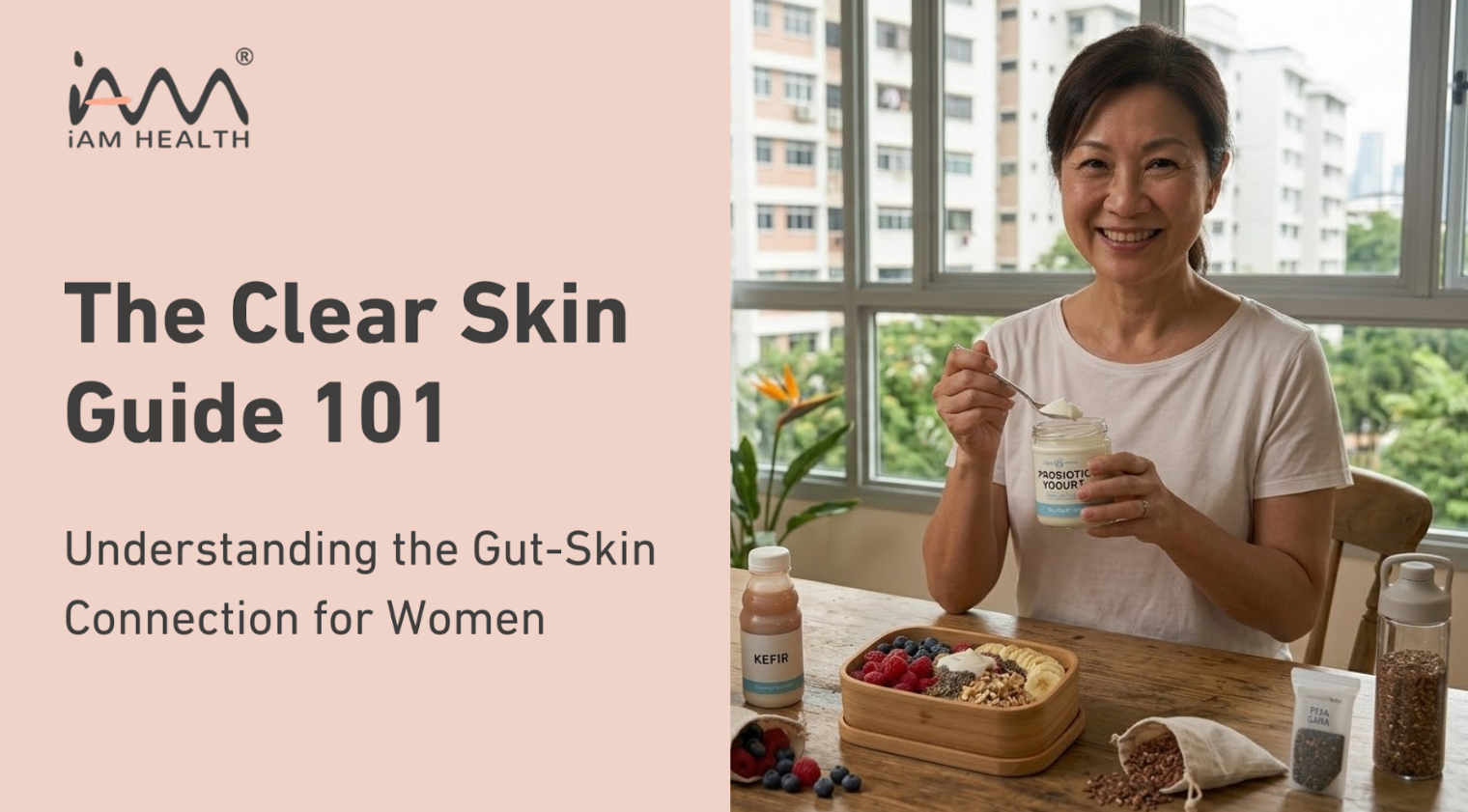
Skin concerns are often treated from the outside with routines, products and treatments. But skin does not function in isolation. It responds to internal processes, especially digestion, immune balance and lifestyle patterns.
For many women, recurring concerns like breakouts, sensitivity or eczema may sometimes reflect internal imbalances rather than surface-level triggers alone.
Understanding the gut-skin connection helps shift skincare from reactive care to a more informed, preventive approach.
Your Skin Reflects More Than What You Apply
Topical care supports appearance, but internal balance often shapes how skin behaves over time. Digestion, stress and immune responses all influence skin stability.
For women, these internal shifts can be especially noticeable during hormonal or lifestyle changes.
- Hormonal changes influence digestion and skin together: Fluctuations across menstrual cycles and life stages can affect oil production, inflammation and gut balance at the same time.
- Stress affects internal systems before appearing on the skin: Digestive and immune responses often shift under stress, which may later show up as sensitivity or breakouts.
- Nutrition supports skin repair and resilience: The gut processes nutrients needed for hydration, recovery and barrier strength. Inconsistent digestion may affect how the skin responds.
- Immune balance influences skin behaviour: Much of immune regulation happens in the gut. When this balance shifts, skin may become more reactive.
Understanding the Connection Between Gut Health and Skin
The gut and skin communicate through immune pathways, microbial activity, and inflammatory signals. This relationship explains why internal health may influence visible skin changes. Rather than operating separately, digestion and skin responses influence each other continuously.
- Gut microorganisms influence inflammation: Beneficial bacteria help regulate immune responses. Imbalance may increase inflammatory signals affecting skin clarity.
- Immune signaling links to digestion and skin reactions: Heightened immune activity may make skin more sensitive or prone to flare-ups.
- Digestion supports nutrient delivery to skin: Efficient nutrient absorption helps maintain repair, hydration and overall skin resilience.
- Stress pathways connect gut and skin responses: The body’s stress response can affect digestion, indirectly influencing skin behaviour.
When Your Skin May Be Signalling Something Internal
Not every skin concern originates internally. However, recurring patterns may suggest that looking beyond topical care could be helpful.
Recognising these signals supports a more complete understanding of skin health.
- Breakouts that persist despite skincare routines: When external care offers limited improvement, internal factors may be influencing inflammation.
- Sensitivity linked to stress or dietary changes: Digestive responses and skin reactivity may sometimes occur together.
- Eczema: Flare-ups may sometimes coincide with internal triggers such as stress, dietary changes or shifts in immune balance, even when external skincare remains consistent.
- Recurring redness or inflammation: Ongoing immune responses may influence skin stability over time.
Everyday Habits That Influence Gut and Skin Health
Daily lifestyle patterns shape digestion, immune responses and skin resilience over time. Consistency often matters more than intensity.
- Nutrition supports microbial balance: Balanced diets help maintain beneficial bacteria that regulate digestion and inflammation.
- Sleep supports hormonal and immune stability: Rest helps regulate stress hormones that influence skin behaviour.
- Stress affects digestive signaling: Chronic stress may disrupt gut balance, which can indirectly affect skin sensitivity.
- Antibiotic use can influence microbial diversity: Necessary treatments may temporarily affect gut bacteria and, in some cases, skin responses.
A More Balanced Way to Think About Skin Health
Skin wellness is shaped by internal and external factors working together. External care supports appearance, while internal balance supports stability.
The gut-skin connection highlights an important perspective:
- Skin reflects digestive and immune health
- Lifestyle patterns influence long-term outcomes
- Preventive care supports resilience
- Inside-out awareness complements skincare routines
For women navigating hormonal changes, modern lifestyles and recurring skin concerns, understanding this connection offers a more sustainable path to skin health.
Next In the Skin Health Series
The Clear Skin Guide 102: What to Consider while Choosing Probiotics for Skin Health
In the next guide, we will explore how probiotics support gut balance, their potential role in skin wellness and what women should understand before considering them as part of a broader health routine.
Reviewed by: Dr Cheryl Yeo
Bio: Dr Cheryl Yeo is the founder of iAM Health. She has a PhD in food science and nutrition, dedicating more than a decade to research on metabolic disorders and weight management, functional food ingredients, and the science behind metabolism-focused supplements and microbiome-driven health therapies. Her work deepened her understanding of how targeted nutrition, including probiotics and digestive support, can influence long-term wellbeing.
Connect with Dr Cheryl Yeo: cheryl@iamhealth.sg or +65 80975612 (WhatsApp)

