



Probiotics your gut can trust.
Get ready to feel your best – every day.
At iAM Health, we make gut health simple, effective and science-backed. Our clinically-tested probiotics and targeted nutrition supplements are designed to support digestion, strengthen immunity and help your body stay balanced from within.
It’s time for better health. It’s time to feel better from the inside out.

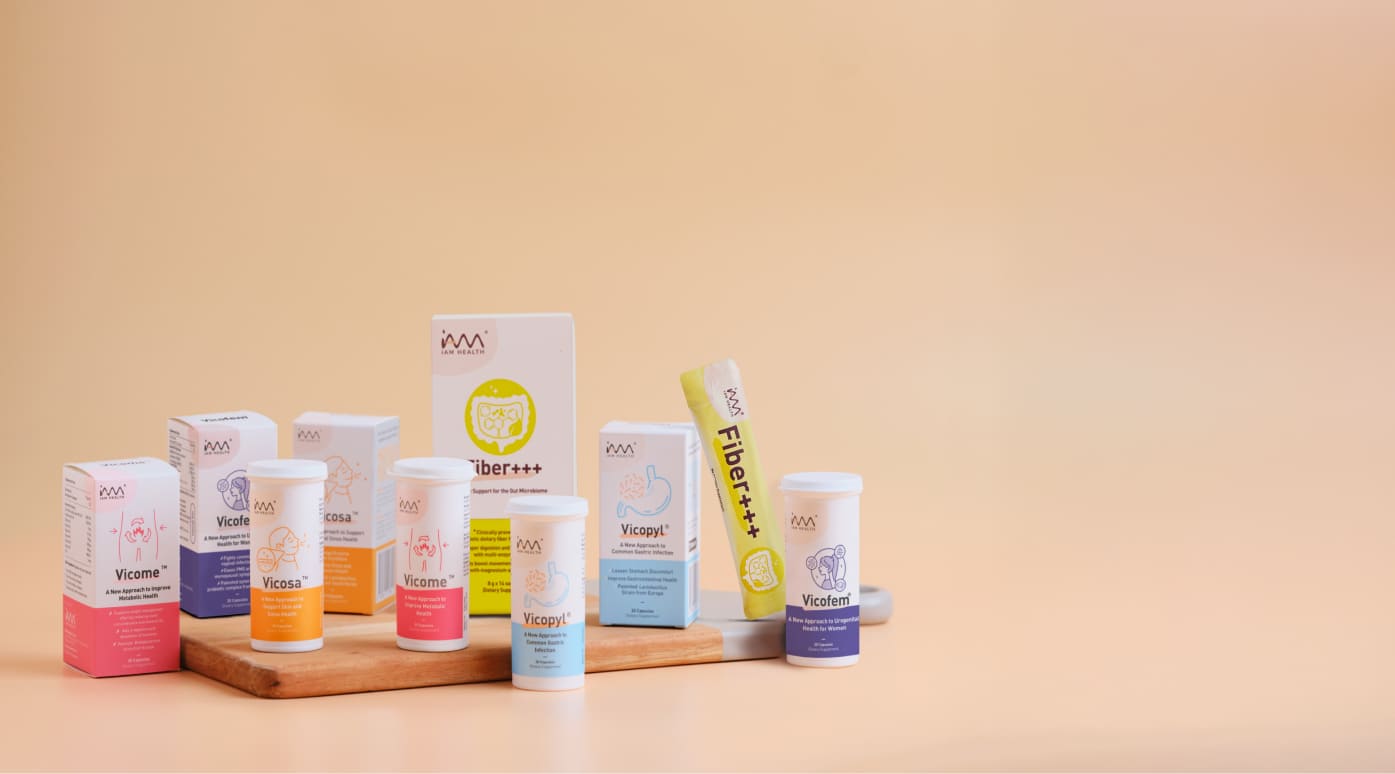
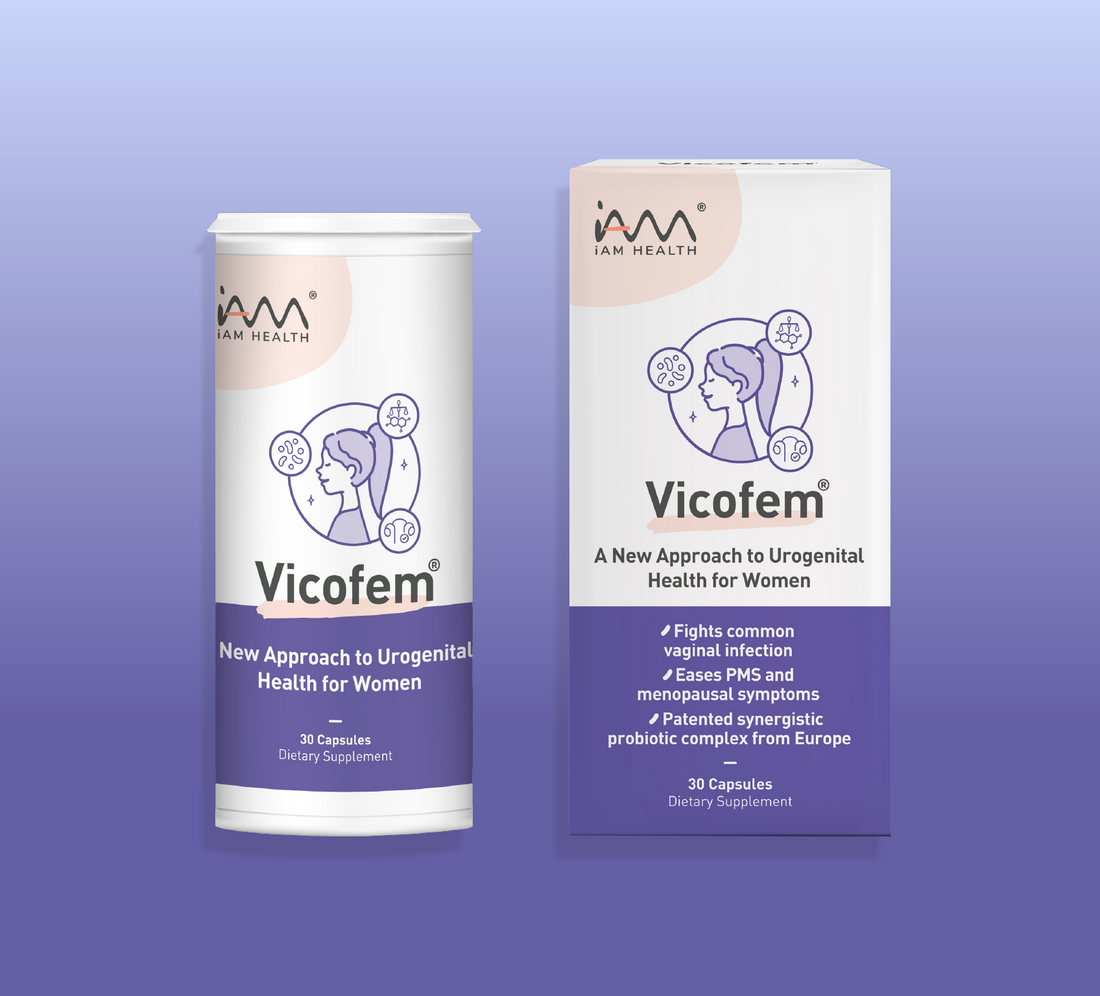
Our Range of Targeted Support: Just What Your Body Needs



Trusted by a growing community of wellness-focused customers, with science-backed formulations designed for everyday use.
Why iAM Health is a Trusted Choice for Probiotics
Clinically-Tested Probiotics
Made with research-backed strains and supported by scientific evidence, so you know they actually work.
Targeted Nutrition, Not Guesswork
Our products are thoughtfully formulated to support gut balance, digestion, immunity and everyday wellness, with purpose-built nutrition rather than generic blends.
Quality, Safety and Transparency You Can Trust
Every formulation is developed with high standards of quality, consistency and honesty, so you always know exactly what you are taking and why it works.
Backed by Science, Designed for Real Life
At iAM Health, we don't just promise results; we prove them.
Our range of natural health supplements have been formulated based on extensive research and comprehensive clinical testing to ensure safety and effectiveness. Whether you’re looking to boost your immunity, balance your gut, or improve your overall health, you can trust that our health supplements are created to deliver real results in real life.
Ready to start feeling better in your body?
Over 2,000 happy reviews

Mdm Ong (mother of a 7-year-old girl)
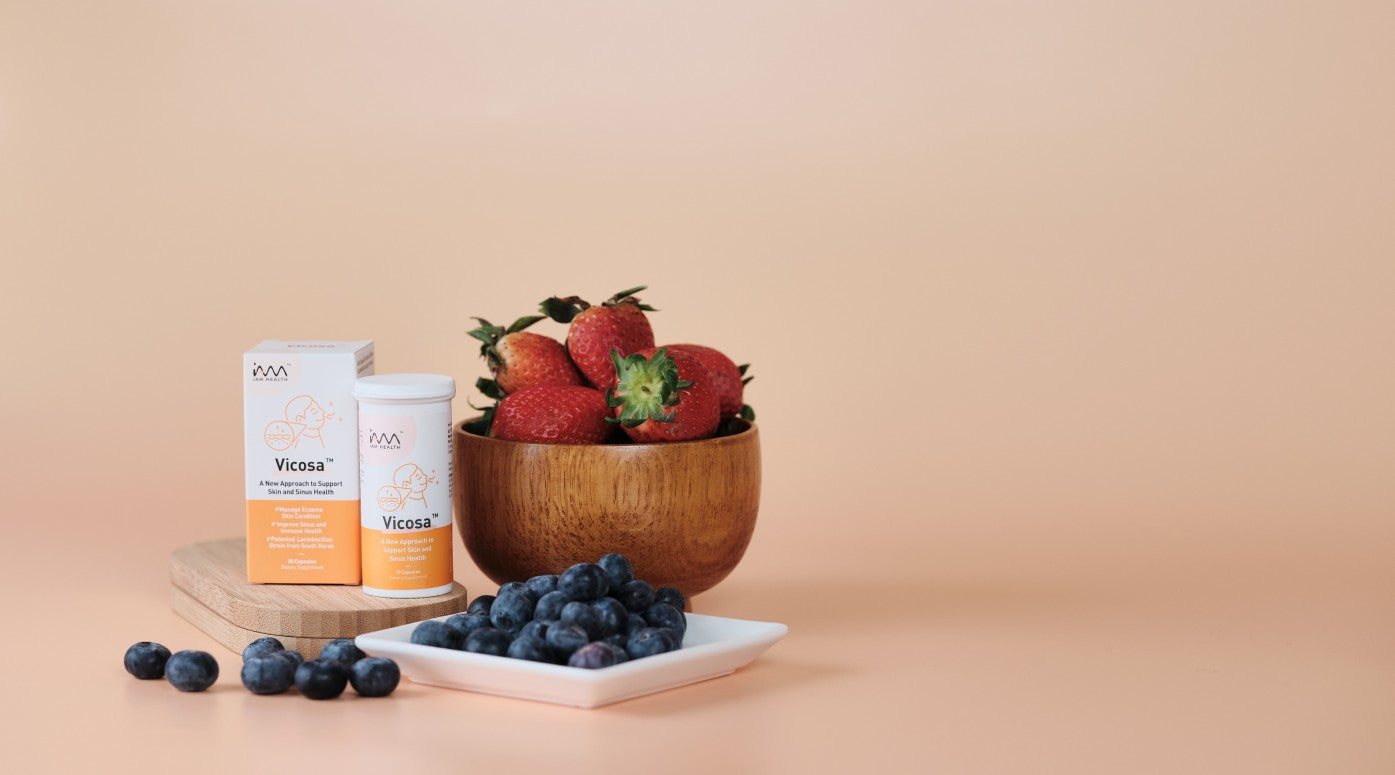
I cannot thank Vicosa enough for helping my daughter with her eczema. She has eczema since she was a baby. After circuit breaker, her skin worsened
and became weepy, and we couldn't do anything to nurse it back to before.
She constantly wanted to scratch it. At night, she couldn't sleep well and
kept waking up to scratch. Every morning we could see the blood stain onher bed. It was heart breaking for us as parents. We saw a doctor who
prescribed steroid cream. She got better but after 1 week after we stopped the medication, it will come back. We knew steroid wasn't the solution. It was then we got to know about Vicosa and started the journey. It's amazing how after 1 month her skin is no longer weepy. She can finally sleep through the night without constant scratching. Even though her leg still has some redness now on and off, I can see how much her skin and even her life has improve before we started Vicosa. We are thankful that we got to know about Vicosa!


Hazel (28)
I've had eczema since I was a child, but in recent years I've been getting uncontrollable flares. Have been on various immunosuppressants and steroids to manage my condition, but both have undesirable side effects and are unsustainable for the long run. I recently decided to try Vicosa and was surprised to see my skin improve within 2.5 weeks. Highly recommend if you are looking for a more natural solution for your eczema/allergies!

Mr Ho’s Dad
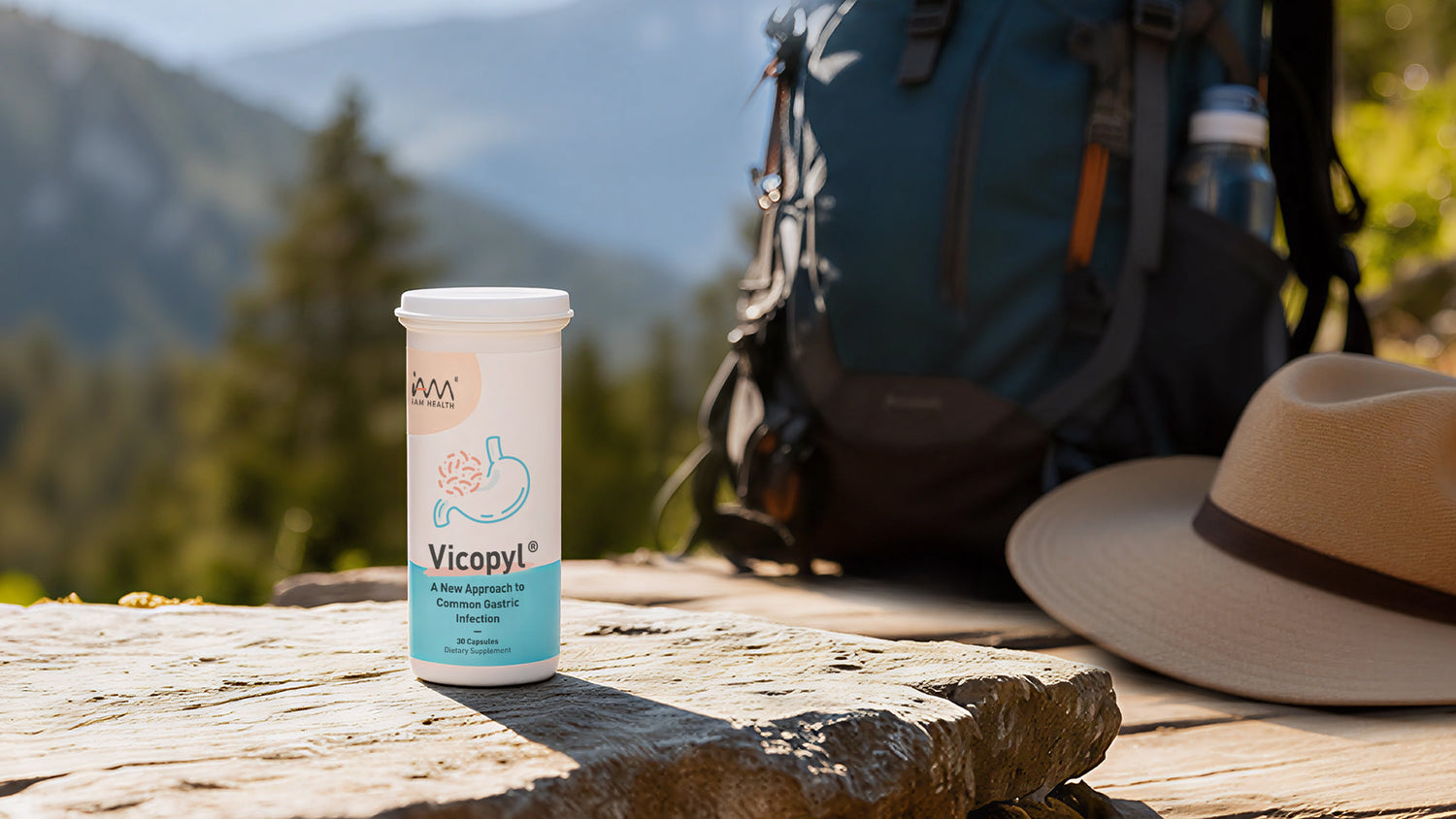
My dad is 80 years old this year. He smoked for 48 years before quitting six years ago. Even though he had quit smoking for some time, his breath still smelled very bad. That prompted us to try Vicopyl. He has taken four bottles now and I noticed that his bad breath is very much gone!


Ms Angie
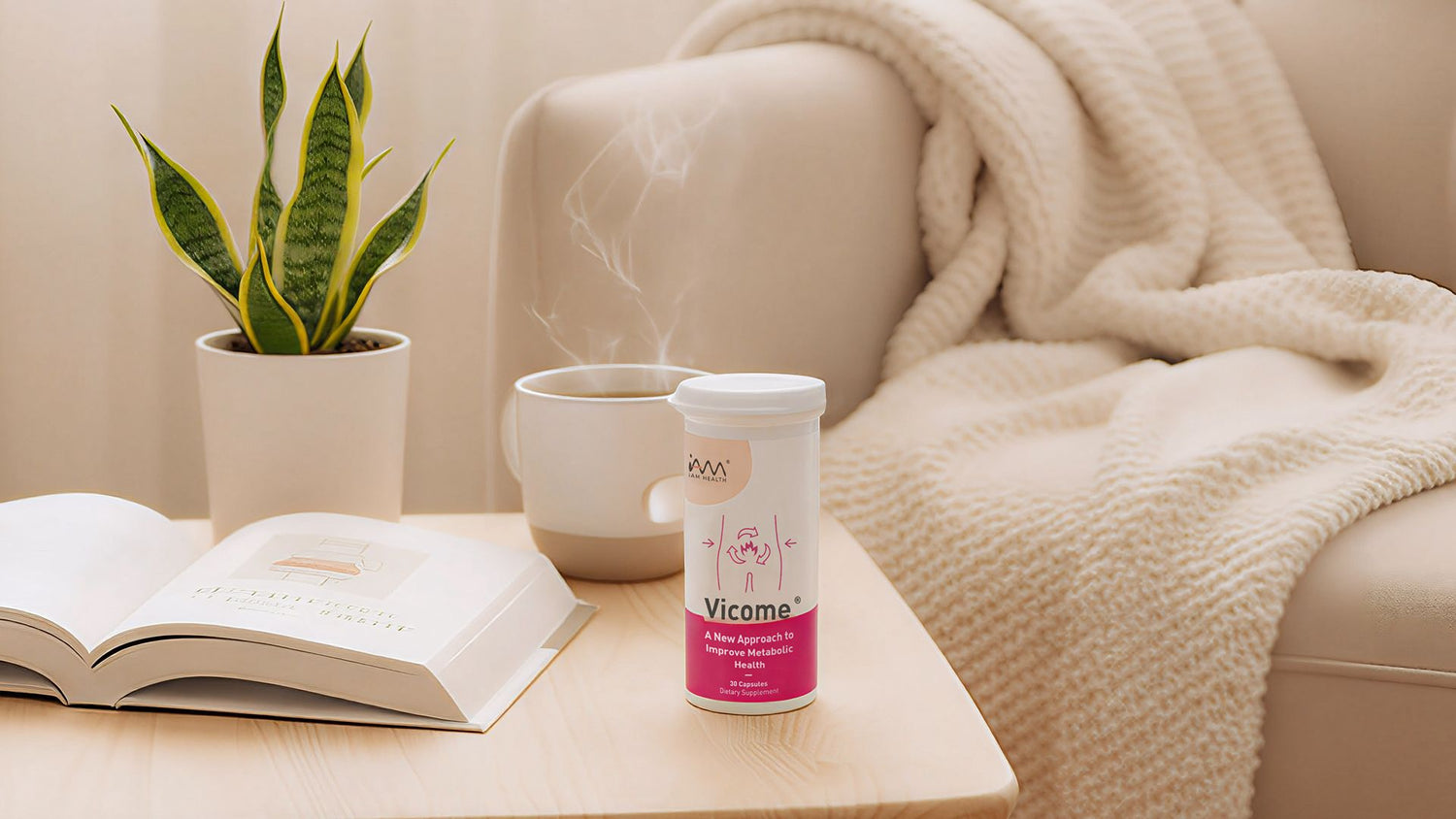
I'm Angie, in my 60s, after taking Vicome daily for 28 days, I managed to lose 2 kgs. My waist line is slightly smaller and my tummy is visibly flatter. I also feel more energetic. I used to doze off in front of the TV in the evenings but not anymore.


Mr Liu
I was shocked to see my blood glucose spike, even though I’ve never had any issues with glucose control.The next morning, I decided to take Fiber+++ before my usual honey, and to my surprise, my blood glucose is in the normal range!”

Insights
Scientists Are Building Mini Gut Ecosystems to Decode What Your Food Is Really Doing
New microbiome research is using lab-built gut ecosystems to reveal how specific nutrients shape gut bacteria and digestive health.
Learn more
Chronic Hand Eczema: Why It Keeps Coming Back And How Probiotic Supplements May Help
Chronic hand eczema often comes back because the skin barrier remains weak even after visible healing, making it easier for irritants, allergens and inflammation to trigger new flare-ups. While moisturisers and steroid creams help manage active symptoms, emerging research shows that probiotic supplements may support long-term eczema management by improving gut microbial balance and immune regulation.
Learn more
Chronic Bloating in Asians: Common Causes, Symptoms and When to Seek Medical Advice
If you feel bloated several times a week for months, don't assume it's simply stress or something you ate. In Asian populations, lactose intolerance is extremely common, while conditions such as H. pylori infection, IBS, SIBO and functional dyspepsia can also contribute to persistent bloating. Tracking your symptoms, trying a short dairy elimination trial, and seeking medical advice when symptoms persist can help uncover the underlying cause and guide the next steps.
Learn more
Can You Have Type 2 Diabetes Without Being Overweight? What Asians Need to Know
Type 2 diabetes is often linked with obesity, but many Asians can develop diabetes even at a normal body weight. This article explains why Asian populations may face higher metabolic risk at lower BMI levels, what signs to watch for, and why early screening matters.
Learn more
Why do I get acidity every day Causes, Triggers & Fixes
Getting acidity every day may be more than a temporary gastric issue. Daily acid reflux can be linked to GERD, H. pylori gastritis, late meals, spicy foods, obesity or hiatal hernia. This guide explains the common causes, triggers and practical fixes, including when to consult a gastroenterologist.
Learn more
Are You Taking Probiotic Supplements at the Right Time?
Taking probiotics regularly is important, but timing can affect how well they work. This blog explains how probiotic survival depends on when you take them, the formulation used, and the specific strains inside—helping you build a smarter supplement routine for better gut health.
Learn more